
Lead Magnets and Conversion Tactics for Coaches
Coaching is a relationship business. You’re not selling a gadget, but asking someone to trust you with their goals, fears, and personal growth. This is a big task that calls for well-thought-out lead magnets and conversion tactics.
On LinkedIn, you might already be posting valuable tips, sharing inspiring stories, and engaging with other professionals—people like your posts, which might encourage them to comment or even connect. But likes and follows don’t pay the bills.
To turn attention into actual coaching clients, you need something more deliberate, a way to invite people into your world so they can experience what it’s like to work with you. That’s where lead magnets come in to help you.
Why Lead Magnets
A lead magnet is a free, valuable resource you give in exchange for someone’s contact details, usually their email address. The “magnet” part isn’t just about attracting people; it’s about pulling the right people closer.
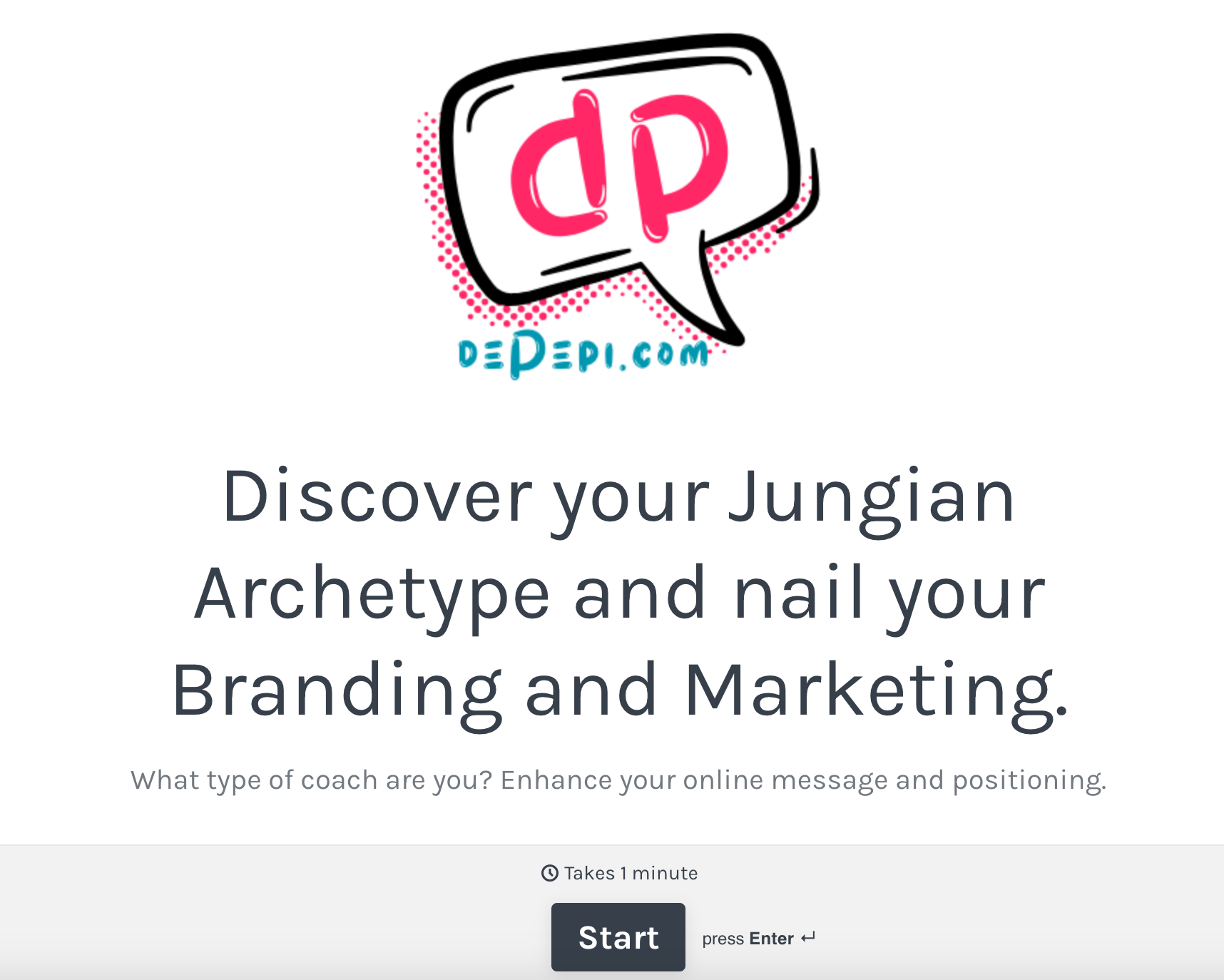
For example, you can see one of my lead magnets below. In exchange for your email, you get to know your Jungian archetype for marketing and branding.
This also works for coaches because:
It solves a real, specific problem your ideal client is wrestling with right now.
It gives them a taste of your approach before they ever book a session.
It builds trust through generosity; they get value before spending a cent.
That said, most coaches either don’t have one or they’ve created something too generic to resonate. “Free tips for a better life” might feel safe, but it’s too vague to compel anyone to click.
The real magic is in niching your magnet down so it feels like it was designed for one person only, the exact person you most want to work with.
Why LinkedIn Is the Perfect Place to Use Them
Many coaches still view LinkedIn as a corporate résumé wall, but it has evolved into something much more powerful. It’s now a vibrant content platform where people come to learn, network, and find solutions.
On Instagram, people might be scrolling to relax or be entertained. On LinkedIn, they’re already in a problem‑solving mindset. That means they’re more likely to download a guide, attend a live session, or sign up for a quick training, especially if it’s connected to their professional or personal growth.
Better yet, LinkedIn gives you a unique advantage: you can reach out directly to new connections without being lumped in with spam accounts. As long as your message is relevant and human, people are open to hearing from you.
A thoughtful post that leads to a relevant freebie? That’s how a stranger becomes a warm lead in a matter of days.
What Works Best as a Lead Magnet
If you’re picturing a hundred‑page PDF or a lengthy video course, stop right there. The most effective lead magnets, especially on LinkedIn, are the ones that give a quick win.
If someone gets a result from you in minutes, they immediately see your value. And they’re far more likely to trust you with the bigger, deeper work.
A few examples that tend to work brilliantly for coaches:
Short guides or checklists: A career coach might offer “The 7 CV Mistakes That Cost You Interviews,” while a wellness coach could share “The 5‑Minute Stress Reset You Can Do at Your Desk.”
Mini trainings: Ten‑minute videos that solve one pressing problem, like “How to Ask for a Raise Without Feeling Awkward.”
Templates and scripts: Ready‑to‑use tools, like a “Discovery Call Conversation Script” or a “Weekly Meal Plan Template.”
Live sessions: Short, interactive workshops or Q&A calls on a hot topic.
Quizzes or assessments: Interactive tools like “Find Your Leadership Archetype” that give instant, personalised insights.
Notice the pattern? Each one is laser‑focused, quick to consume, and directly linked to a paid service you offer.
From Connection to Client: How the Funnel Works
A good lead magnet is just the first step. The real conversion happens when you combine it with a simple follow‑up system.
For example, you post a short LinkedIn article about how most professionals unknowingly sabotage their own job interviews. At the end, you say:
“I’ve put together a quick checklist of the most common interview mistakes and how to avoid them. You can grab it here.”
A reader clicks, fills in their email, and instantly receives the checklist. In that first email, you thank them, add a small bonus tip, and invite them to reply with their biggest interview challenge.
They reply. You respond with a useful pointer and mention you have a few free career clarity calls available this week.
Suddenly, you’re not a stranger on LinkedIn anymore. You’re a trusted advisor they’ve already spoken to. That’s how a lead magnet turns into a client; through conversation, not cold selling.
OVER BLOWN Fear
Some coaches avoid freebies altogether because they worry about attracting people who will never invest. And yes, there will always be those who download and disappear.
But the ones who never buy were never going to buy anyway. They cost you nothing. The ones who do buy? They’re often the people who first said “yes” to a freebie.
The key is alignment. Your lead magnet should solve a small piece of a bigger puzzle; the same puzzle you solve in your paid offer. That way, people who want the full transformation naturally see you as the next step.
Making It Friction‑Free
Even the best lead magnet will flop if you make it hard to access. This is where a bit of tech setup makes all the difference.
The essentials:
A simple landing page with a clear promise and an opt‑in form. Tools like Typeform or MailerLite make this easy.
Automated delivery ensures they receive their resource immediately, eliminating the need for manual emailing.
A built‑in link to your booking calendar (using Calendly, for example) in the follow‑up email so they can take the next step without hunting for it.
Think of it as smoothing the path: they should go from LinkedIn post to resource in two clicks, and from resource to booking in one more.
What to Avoid
A few traps will kill your lead magnet’s potential:
Being too broad: “Improve your life” is forgettable.
Making it too long: if it takes hours to consume, most won’t finish it.
Offering something unrelated to your actual coaching offer: it confuses your funnel.
Skipping the follow‑up: they won’t chase you.
Turning This into Action
If you’ve been relying on “post and pray” to find clients, start here instead:
Identify one specific, urgent problem your ideal client faces.
Create a short, high‑value resource that solves it.
Share it regularly on LinkedIn: in posts, articles, and direct messages to new connections.
Automate delivery and follow‑up so every new lead hears from you without delay.
Done consistently, this turns your LinkedIn activity into a steady stream of conversations with people who already see your value.
NEED HELP?
A lead magnet isn’t just a marketing trick. In coaching, it’s a gift; a way to serve before you sell, to demonstrate your expertise without asking for trust first. The coaches who master this don’t chase clients; they create a path for clients to find them.
You can learn more about lead magnets and LinkedIn with Branding and Marketing for Coaches.
[ld_course_list orderby=”ID” num=”1″ col=”1″]